
Fenland can look empty from a car window: big skies, straight drains, black soil. Walk it slowly, though, and the rewilding tells a different story. Water is being let back onto fields, reedbeds are thickening, and scrub is creeping in at the edges. The result is not a return to some fixed past. It is a shifting mosaic, and the best way to understand it is to visit often. Here is what to watch for through the year, and how to read the signs.
January and February: Water, Ice and Wildfowl
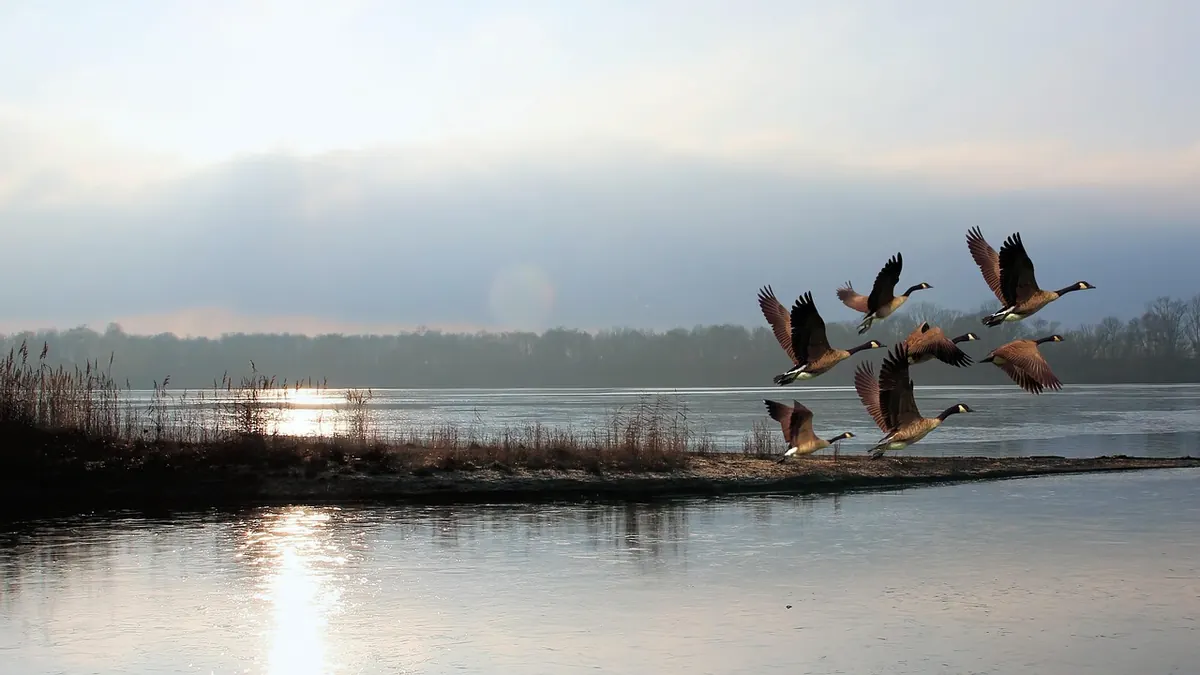
The Fens are at their most open now. Flooded washes and shallow pools hold wigeon, teal, shoveler and pintail. Look for the whiteness of whooper swans against grey water, and the neat, upright profile of Bewick's swans on wet grassland. Greylag and Canada geese graze in noisy groups; scarcer bean and white-fronted geese are worth checking for.
Cold spells are useful. When still water freezes, wildfowl concentrate in the remaining open channels. Bitterns may show at reedbed edges, picking their way over ice. This is also the best time to read tracks: otter slides, deer slots, fox prints.
What to look for
- Wigeon whistling on wet grass, teal dabbling in the shallows.
- Lapwing flocks lifting and turning over flooded fields.
- Ice patterns, flooded footpaths, and the line of last summer's reeds.
- Tracks and signs: otter spraint, feathers, owl pellets, gnawed willow.
Stay off frozen water: fenland ditches can look solid but be dangerously thin.
March and April: The Chorus Returns
Sound changes first. Chiffchaffs arrive in March, their two-note song easy to learn. Blackcaps follow, then sedge warblers and reed warblers. Bitterns boom from reedbeds, a low, foghorn sound that carries further than you expect. Listen at dawn, before traffic and machinery drown the details.
Willow catkins turn the scrub silver and gold with pollen. Blackthorn blossoms white before its leaves appear. In wet meadows, marsh marigold opens in golden clumps, and frog spawn appears in shallow, sunlit water. Look for the first brimstone and peacock butterflies on warm afternoons.
How to listen
Stand still for ten minutes. Let your ears adjust. Pick out one sound and follow it: a reed warbler's chattering rhythm, a water rail's pig-like squeal, the drumming of a snipe.
May and June: Reeds, Sedge and Hidden Nests
By late May the fen is tall and secretive. Reeds reach head height. Yellow flag iris stands in the ditches, ragged robin flowers in damp grassland, and southern marsh orchids appear in patches. This is the month to slow down and use your binoculars close to home.
Invertebrates take over. Hairy dragonflies patrol early, four-spotted chasers perch on reed tips, and banded demoiselles flutter over flowing water. Look for the first dragonfly exuviae — the empty cases left on reed stems after emergence.
Ground-nesting birds are vulnerable now. Keep to paths, keep dogs close, and do not push into wet meadows for a photograph.
Reading the water
Clear water with plenty of submerged plants usually means good light and low pollution. Look for water voles: burrows in banks, latrines on stones, and neat, angled cuts on vegetation. Otters leave spraint on prominent rocks and bridges.
July and August: High Summer, Low Water
Water levels often drop. Exposed mud is not a problem; it is a larder. Green sandpipers and common sandpipers work the edges, ruff and snipe probe the soft ground, and little egrets stalk the shallows. Dragonflies are at their peak: emperor, brown hawker, black-tailed skimmer.
Grazing animals — ponies, cattle or sheep, depending on the site — create a patchwork of short turf and tall growth. Look for flowers in the grazed areas: bird's-foot trefoil, selfheal, and the first orchids of late summer.
Visit early or late in the day. Heat haze flattens the view and wildlife goes quiet. Take water; fenland paths can be exposed.
September and October: Movement and Mists
Migration is the story now. Swallows and martins gather on wires and in reedbeds before leaving. Hobbies hunt dragonflies over the water. Ospreys pass through on their way south, and waders return to the mud: greenshank, spotted redshank, curlew, black-tailed godwit.
Pink-footed geese arrive from the north, their calls carrying across grey skies. Fungi push through damp grass and leaf litter: shaggy ink cap, parasol, puffballs. Mornings bring mist. Spider webs hang in the reeds, outlined in dew. Water levels begin to rise again. Check local reserve notices before setting out, as some paths flood.
November and December: Short Days, Long Views
Winter wildfowl return in force. Wigeon, teal, gadwall, shoveler, goldeneye and goosander use the open water and flooded grassland. Hen harriers and short-eared owls hunt at dusk over rough grass. Barn owls may hunt by day when the weather is cold and food is short.
Starlings gather in murmurations over reedbeds, twisting before dropping to roost. Arrive early on a still, clear evening and wait. Bring a torch for the walk back.
Tracks are easy to read in mud and snow. Look for the signs of animals using the same routes: a gap in a hedge, a flattening of reeds, a well-worn path along a bank.
How to Look, and What to Bring
Rewilding is not a spectacle you tick off. It is a set of processes. The more often you visit the same few spots, the more you notice. Keep a simple notebook. Note the date, water level, wind, and three things you saw. Over a year, that record becomes a local calendar.
- Wellies or waterproof boots. Fenland wet ground is often wetter than it looks.
- Binoculars, and a scope if you have one for distant wildfowl.
- A notebook and pencil. Pencil works in rain.
- Suncream and insect repellent in summer. Midges and mosquitoes are part of the habitat.
- A torch and spare layer for dusk visits.
Check local reserve websites or visitor centres for water levels and closures. Stay on marked paths. Keep dogs on leads where asked. Do not enter reedbeds or wet meadows. If you find an injured bird, contact a local wildlife rescue, not the reserve.
The best months are the ones you actually go. Pick a route you can walk in an hour and visit it in every season. That is rewilding at eye level: not a finished project, but a place that keeps becoming.
Photo: hansbenn / Pixabay